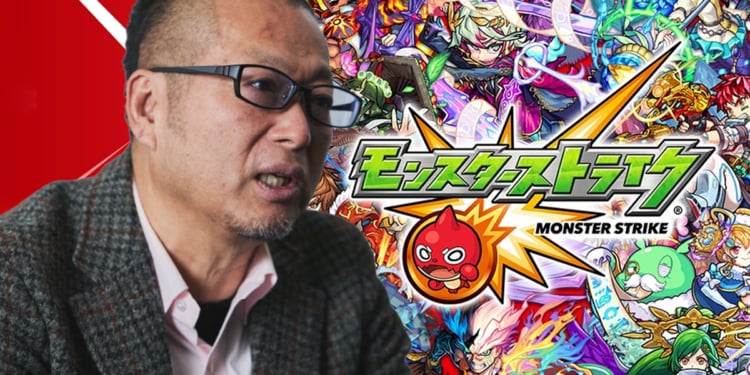
Ptslot – Yoshiki Okamoto — a veteran game producer once behind some of Capcom’s most iconic titles like Street Fighter II and Final Fight — has taken an unconventional approach to understanding the psychology of big spenders in mobile gacha games. After leaving Capcom and helping create the hugely successful Monster Strike, Okamoto now spends huge sums of his own money inside his games to study player behavior firsthand.
During a recent television appearance on Fuji TV’s Where Did That Money Go?, Okamoto revealed that he has spent over $500,000 per account across multiple mobile games he’s involved with — including Monster Strike — not for personal enjoyment, but as research. Okamoto explained he wants to experience the game the way high-spending players do, so he can better tune monetization systems and ensure those who spend the most feel satisfied rather than frustrated.
Gacha games like Monster Strike — a title that has amassed tens of millions of players and billions in revenue since its 2013 release — rely heavily on microtransactions and premium currencies. Okamoto believes that only by spending real money rather than using developer tools can he genuinely understand how players react to drop rates, pricing, and reward pacing.
Okamoto’s path hasn’t been smooth. After founding Game Republic post-Capcom and facing financial hardship when the studio folded, he struggled with debt before Monster Strike became a breakthrough hit. Today, he earns millions annually through his work at Deluxe Games, yet he plows a significant portion back into his own titles as part of his market research.
This candid insight from a major industry figure sheds light on the controversial economics of gacha games and how developers attempt to balance profitability with player satisfaction — even if that means spending half a million dollars to better understand the community they design for.